Migraine Devices: Innovative Solutions for Headache Relief
Living with migraine headaches can be challenging, with symptoms that often include throbbing pain, nausea, and sensitivity to light and sound—maybe using a lot of screens. Traditional treatments have centred around pharmacological solutions, but a new category of therapeutic options has emerged in recent years: migraine devices. These innovative gadgets offer a drug-free alternative to prevent and alleviate the disabling pain associated with migraines.
These devices employ various technologies, such as electrical or magnetic nerve stimulation, to target the nervous system. By modulating nerve activity, these treatments can reduce the frequency of migraine attacks and the intensity of migraine pain. With user-friendly designs, these devices are gaining popularity among migraine sufferers who are looking for convenient and non-invasive solutions to manage their condition.
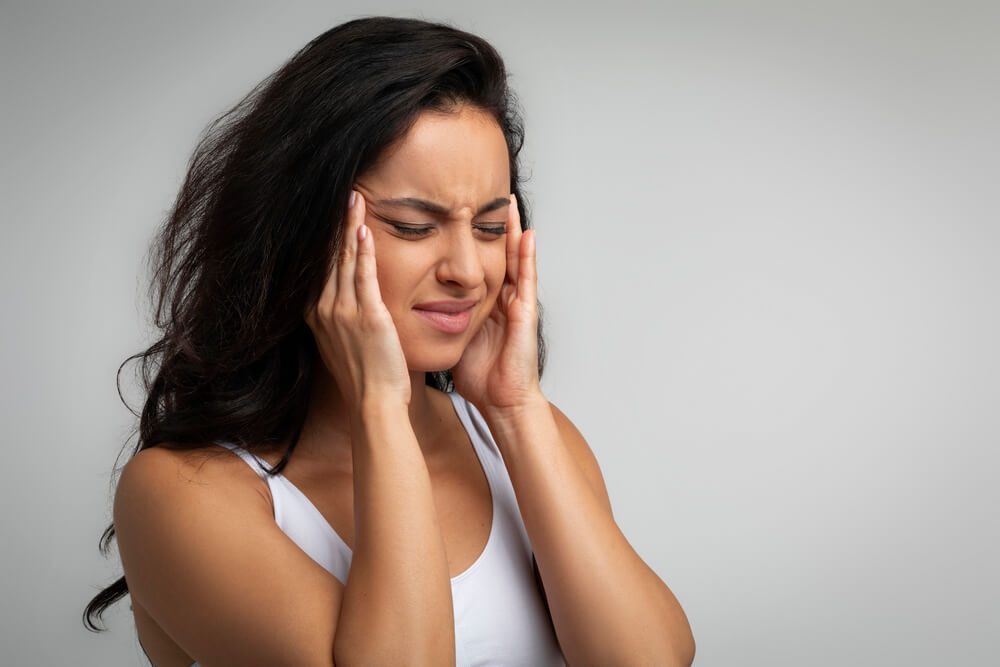
The market now includes a range of FDA-cleared devices such as Cefaly, Nerivio, Relivion MG, and gammaCore. Each device offers its own approach to treatment, from electrical stimulation designed to be worn on the forehead to handheld units that provide relief through the neck. As interest in these devices grows, they represent a significant shift in how individuals can approach migraine management, giving many sufferers renewed hope and control over their symptoms. In this blog post, we delve into the main migraine devices available.
Understanding Migraines
Migraines are more than just headaches – they are a complex neurological condition with a variety of symptoms and significant impact on individuals’ daily lives.
Symptoms and Triggers
Migraine sufferers typically experience intense, throbbing pain on one side of the head. The condition often manifests in episodes known as migraine attacks, which can last from a few hours to several days. Common symptoms include:
- Visual disturbances (aura)
- Nausea and vomiting
- Sensitivity to light, sounds, and sometimes smells or touch
- Dizziness or a feeling of being lightheaded
The frequency and severity of migraine attacks can range from rare to chronic, with individuals who experience 15 or more migraine days per month often diagnosed with chronic migraine. Migraine triggers vary widely and might include:
- Stress
- Hormonal changes
- Certain food and drinks
- Weather changes
- Sleep disruptions
Understanding one’s personal triggers and symptoms is crucial for managing migraines effectively.
Impact on Daily Life
Migraines can significantly hinder a person’s routine, affecting their ability to perform daily tasks. The impact of migraines on quality of life can be profound, often causing:
- Work or school absences
- Difficulty concentrating
- Fatigue after a migraine attack
- Anxiety or depression due to chronic pain
Those with frequent migraine days may find it challenging to maintain social relationships and suffer from the stress of unpredictable onset of attacks. Addressing migraines with appropriate interventions is essential in improving sufferers’ lifestyle and wellbeing.
Neuromodulation Technology Overview
Neuromodulation devices represent a progressive approach to migraine management, focusing on the modulation of the nervous system through electrical signals to alleviate symptoms.
Principle of Neuromodulation
Neuromodulation operates on the principle that targeted electrical stimulation can adjust the electrical activity of the brain, which plays a crucial role in migraine pathophysiology. This technology aims to intervene in the neural pathways to reduce migraine attacks’ frequency and intensity. The methods of neuromodulation can be either invasive or non-invasive, with the latter typically being more accessible to patients.
Types of Neuromodulation Devices
Several types of non-invasive neuromodulation devices have been approved for managing migraines. They use electrical stimulation to target specific nerves related to migraine pain, such as the trigeminal or occipital nerves. Here’s a look at some common types of devices:
- Transcutaneous Supraorbital Neurostimulator: The device is placed on the forehead and delivers low-level electrical signals to the supraorbital nerve.
- Occipital Nerve Stimulation: This technique involves stimulation of the occipital nerves located at the back of the head, which can be beneficial for chronic migraine sufferers.
- Remote Electrical Neuromodulation (REN): Typically worn on the arm, these devices send signals that can modulate pain pathways elsewhere in the body.
Each device harnesses electrical signals with the aim to provide relief from migraine pain and reduce attack frequency. The choice of device may depend on individual patient needs, migraine patterns, and the nature of the neural target.
Available Migraine Devices
When looking for relief from migraines, several FDA-approved devices are available that offer non-invasive treatments. These devices range from wearable technology to nerve stimulation systems, providing alternative options to medication.
Cefaly Device
The Cefaly Device is a transcutaneous electrical nerve stimulation (TENS) unit designed specifically for migraine prevention. It works by emitting electrical currents to stimulate the trigeminal nerve and can be used daily for 20 minutes to reduce migraine frequency.
Nerivio Device
Nerivio is a remote electrical neuromodulation (REN) wearable device that patients apply to their upper arm. It is controlled via a smartphone app, making it convenient for both acute and preventative migraine treatment. The Nerivio is suitable for individuals aged 12 and above.
Gammacore Sapphire Device
The Gammacore Sapphire Device belongs to the category of non-invasive vagus nerve stimulators. It’s a handheld tool that delivers mild electrical stimulation to the vagus nerve in the neck. This can prevent or treat migraines and is appropriate for use in people over the age of 12.
Transcranial Magnetic Stimulation Devices
Devices that use transcranial magnetic stimulation (TMS) are intended to relieve migraine by using magnetic fields to stimulate nerve cells in the brain. Some of these devices are designed to be worn as a headset and may alleviate a migraine if used during the onset of symptoms.
Non-Invasive Vagus Nerve Stimulators
Other than the Gammacore Sapphire, there are additional non-invasive vagus nerve stimulators that have been FDA-approved. These devices may lower the frequency of migraines and are used for both preventive and acute treatment by sending electrical signals to the vagus nerve.
Treatment Efficacy and Clinical Trials
Clinical trials have played a crucial role in establishing the efficacy of various treatments for migraines. In recent years, both devices and medications have been put to the test to provide sufferers with pain relief and migraine prevention.
Preventive Treatment
Preventive treatments for migraine aim to decrease the frequency and severity of headaches before they occur. Fremanezumab has demonstrated efficacy in preventive treatment for chronic migraine in a 12-week trial, offering lower headache frequency compared to placebo. Another noteworthy development is Aimovig, whose effectiveness for migraine prevention was evaluated in three clinical trials. Participants in these studies experienced significant reductions in the number of migraine days per month.
Acute Treatment
For acute treatment, targeting migraines as they occur, the Relivion neuromodulation system was cleared by the FDA in August 2020. This non-invasive device offers a promising option for migraine sufferers seeking immediate pain relief. The Trial of e-TNS for the Acute treatment of Migraine (TEAM) study is another pivotal investigation, evaluating the efficacy and safety of self-administered e-TNS treatments.
Long-Term Results
Investigating the long-term results of migraine treatments is key to understanding their sustained impact on patients’ lives. Clinical trials are fundamental in this regard, providing evidence of both efficacy and potential serious side effects over time. Regular updates on clinical trial endpoints from authoritative bodies like the American Headache Society (AHS) and the FDA are crucial for healthcare providers and patients in making informed treatment decisions.
Usage Guidelines
In managing migraines through devices, it is crucial for users to adhere to guidelines that ensure safety and efficacy. These guidelines range from initial considerations to proper usage, and post-usage care.
Before Commencing
Before starting treatment with any migraine device, individuals should consult with their healthcare provider. This step is particularly important for those under 18 years of age, as some devices are cleared for use in adolescents between 12 and 17 years old. In addition, people with certain medical conditions, like uncontrolled epilepsy or congestive heart failure, or those with metallic implants and active implantable medical devices, should seek professional advice to confirm that the use of migraine devices is safe for them. Another factor to consider is whether the person has a history of medication overuse headaches, which may impact the choice of treatment.
While Using the Device
While using any migraine treatment device, individuals must follow the specific instructions for use. This often involves:
- Applying the device correctly, as per the manufacturer’s guidelines.
- Adjusting the device setting, if available, to suit individual comfort and efficacy.
- Limiting the duration of use to the recommended time frame.
- Monitoring for adverse reactions or an increase in headache frequency that could indicate medication overuse headache.
Care should be taken not to use devices simultaneously with any other treatments that could interfere with their function or increase the risk of adverse effects.
Post-Usage Considerations
After using a migraine device, it is important to:
- Store the device properly: Keep it away from extreme temperatures, moisture, and direct sunlight to maintain its efficacy and prolong its life span.
- Regularly assess the device’s condition: Check for any damage or signs of wear that could affect its function.
- Schedule follow-up appointments: Regular check-ins with a healthcare provider can help to track progress and adjust treatment as needed.
It is also recommended to keep a diary of migraine occurrences, which can help in determining the long-term effectiveness of the device and any patterns in migraine triggers or relief.
Potential Side Effects and Safety
When considering migraine prevention and treatment devices, it’s important for users to be aware of potential side effects. Medical devices approved for migraine relief may cause sensations and reactions that vary from person to person.
Common Side Effects
Many individuals using migraine devices experience common side effects that are usually mild and temporary. The list below highlights typical reactions:
- Tingling sensation: This often occurs when a device emits electrical stimulation.
- Temporary feeling of pain: Some users report a brief, mild pain during use.
These side effects generally subside shortly after treatment and don’t require medical attention.
Rare Adverse Events
There is a possibility of rare adverse events that could arise with the use of these devices:
- Adverse effects: In very uncommon cases, users might experience significant adverse reactions.
- Serious side effects: You should report any serious or long-lasting side effects to a healthcare provider immediately.
Accessibility and Insurance
When exploring migraine treatment devices, patients must consider cost and insurance coverage intricacies. These factors can heavily impact the accessibility of such devices.
Cost Considerations
Patients must evaluate the financial implications of acquiring migraine treatment devices. Such devices can range from minimally to significantly costly, and prices vary widely based on the technology and brand. For instance, handheld electrical stimulation units and wearable neuromodulation devices may present initial upfront costs. Additionally, ongoing expenses such as replacement pads or batteries could add to the total investment required.
Insurance Coverage
Navigating the landscape of health insurance in the United States requires diligence. Coverage for migraine treatment devices that are cleared by the U.S. Food and Drug Administration (FDA) is not guaranteed. Each insurance provider may have distinctive policies regarding the coverage of medical devices. Patients often need to communicate effectively with their insurance providers to determine if a device is deemed “reasonable” and “necessary,” which are key criteria for coverage. Advocacy, including regular follow-ups via calls and emails, is typically necessary to facilitate coverage of migraine treatment devices. Patients should consult with a headache specialist who can provide thorough documentation to support the medical necessity of the device.
Non-pharmacological options
Migraine glasses, which are designed to filter out specific wavelengths of light that can trigger or worsen headaches, have become increasingly popular among those seeking relief from migraine symptoms. Similarly, ice eye masks provide soothing cold therapy, which can help to reduce inflammation and alleviate pain around the eyes and temples during a migraine attack.
Migraine pillows are another innovative product that has gained traction; these pillows are ergonomically designed to support proper neck alignment and reduce pressure points that may contribute to migraine pain. Lastly, migraine caps, which can be chilled and worn around the head, offer a hands-free way to apply consistent cooling, which many find helpful in managing the discomfort associated with migraines. These trending migraine products aim to provide non-pharmacological options to help manage and mitigate the debilitating effects of migraine headaches.
Frequently Asked Questions
Exploring alternative solutions to migraine relief is essential for sufferers seeking respite without medication. This section covers frequently asked questions about devices designed for migraine management.
What alternatives are there to medication for migraine relief?
Besides pharmacological treatments, neuromodulation devices have emerged as an alternative for migraine sufferers. These devices use electrical or magnetic stimulation to alleviate migraine symptoms.
How do wearable migraine relief devices function?
Wearable migraine relief devices typically work by applying electrical impulses to specific nerves. These impulses can help to reduce or block the pain signals caused by migraines.
Are there any FDA approved gadgets for migraine treatment?
Several gadgets have received FDA approval for migraine treatment. These include transcutaneous electrical stimulation devices that are worn on the head or neck and provide relief by stimulating nerve endings associated with migraine pain.
Which migraine relief devices have users found most effective?
User experiences with migraine relief devices vary, but many report effective relief from neuromodulation devices that target the occipital and trigeminal nerves, which are known to be associated with migraine pain.
Is there a device that provides migraine alleviation through ear stimulation?
While the search results provided do not mention a device that specifically provides migraine alleviation through ear stimulation, other forms of peripheral nerve stimulation are commonly used in available migraine devices.
Where can I purchase migraine relief gadgets?
Migraine relief devices can be purchased through various channels, including online retailers, medical supply stores, and directly from the manufacturers’ websites. Some devices may require a prescription or consultation with a healthcare professional.