The Best Books on Palmistry: Unlocking the Secrets of Your Hands
Palmistry, the ancient art of reading the lines and features of the hand, has captivated people for centuries. From predicting the future to gaining insights into one’s personality, palm reading offers a unique window into an individual’s character and potential life path. For those eager to explore this fascinating practice, a wealth of books awaits to guide both beginners and seasoned practitioners.
The best palmistry books offer comprehensive guidance on interpreting the palm of your hand, covering everything from major lines to minor markings.
These works delve into the meaning behind different hand shapes, finger lengths, and even the texture and colour of the skin. Whether you’re looking to unlock the secrets of your own palm or hoping to read others’, these books provide the knowledge and techniques needed to develop your skills.

Aspiring palm readers will find a range of titles to suit their interests and experience levels. Some books focus on the scientific aspects of palmistry, exploring connections to psychology and neuroscience. Others take a more spiritual approach, blending traditional wisdom with modern insights. With options ranging from beginner-friendly guides to in-depth reference tomes, there’s a palmistry book for every curious mind. So let’s explore the best palmistry books I’ve found!
Uncovering the Art of Palm Reading
Palm reading, an ancient practice steeped in mysticism, offers insights into one’s character and potential future. This fascinating art form has evolved over millennia, with various cultures contributing to its rich tapestry of interpretations.
History and Evolution of Palmistry
Palmistry’s roots stretch back thousands of years, with evidence of its practice in ancient civilisations. The Vedic sages of India are often credited with developing this art, which then spread to China, Tibet, Persia, Egypt, and Greece. Each culture added its unique perspective, enriching the practice.
In the Middle Ages, palmistry faced scrutiny from religious authorities but persevered. The 19th century saw a revival of interest, with palmistry gaining popularity in Victorian England. Today, modern palmists blend traditional knowledge with psychological insights, offering a more holistic approach to hand analysis.
Understanding the Palm Lines
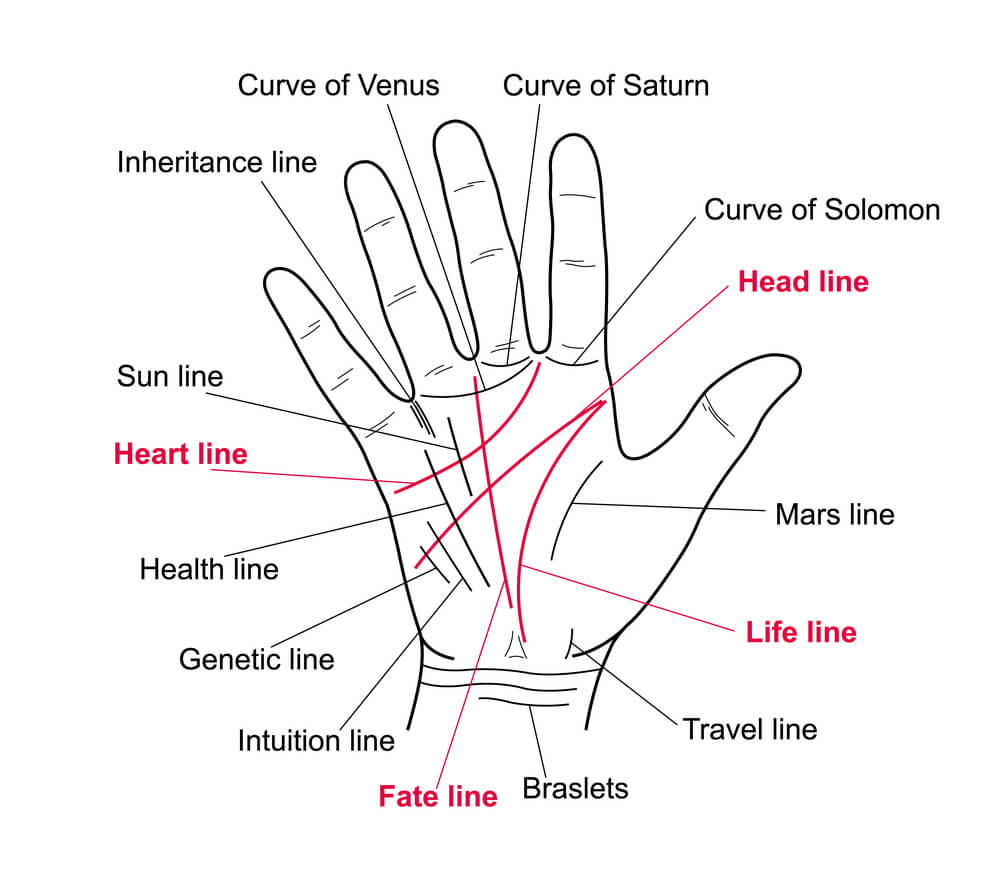
The palm’s main lines—life, heart, head, and fate—form the foundation of palm reading. Each line’s length, depth, and curvature provide clues about different aspects of one’s life:
- Life Line: Vitality and overall well-being
- Heart Line: Emotional life and relationships
- Head Line: Intellectual capacity and communication style
- Fate Line: Career path and life direction
Secondary lines and markings, such as the Sun Line and Apollo Line, offer additional insights. Palmists also consider hand shape, finger length, and mounts (fleshy pads) when interpreting a palm.
Modern palm readers often integrate scientific understanding of dermatoglyphics—the study of skin ridge patterns—to enhance their interpretations. This blend of ancient wisdom and contemporary knowledge continues to captivate those seeking self-discovery through the art of palmistry.
Fundamentals of Hand Analysis
Hand analysis combines scientific understanding with interpretive skills to reveal insights about an individual. It examines the physical features and markings of the hand to gain a deeper understanding of personality traits and life patterns.
The Science Behind Hand Reading
Hand analysis draws on various scientific disciplines. Dermatoglyphics, the study of skin ridge patterns, forms a key foundation. Research has shown correlations between fingerprint patterns and certain genetic conditions. Embryology also plays a role, as hand features develop in the womb alongside the brain and nervous system.
Some practitioners integrate neuroscience concepts, noting connections between brain areas and specific parts of the hand. While not universally accepted in the scientific community, proponents argue these links offer valuable psychological insights.
Hand readers may also consider biomechanics, analysing how hand shape and flexibility relate to a person’s physical capabilities and tendencies.
The Language of the Hand
The hand contains a rich vocabulary of features for analysis. Major lines like the life line, heart line, and head line form key elements. Their length, depth, and curvature are thought to indicate different qualities.
Mounts, the fleshy pads at the base of the fingers, represent different aspects of personality. For example, a prominent Mount of Jupiter may suggest leadership qualities.
Finger shape and length also carry meaning. A long index finger might indicate ambition, while a short one could suggest a more reserved nature.
Texture, flexibility, and overall hand shape contribute to the interpretation. Smooth hands may indicate sensitivity, while rough ones suggest a more practical nature.
The Best Palmistry Books
These palmistry books offer unique insights into the ancient art of hand reading. Each provides valuable information for beginners and experienced practitioners covering essential techniques and interpretations.
A Little Bit of Palmistry
‘A Little Bit of Palmistry‘ by Cassandra Eason is a concise yet comprehensive guide for novices. This pocket-sized book introduces readers to the basics of palm reading in an accessible format. It covers hand shapes, major lines, and mounts with clear illustrations.
Eason’s writing style is engaging and easy to follow. She breaks down complex concepts into bite-sized chunks, making it ideal for quick reference. The book also includes practical exercises to help readers practice their newfound skills.
At just over 100 pages, it’s perfect for those seeking a brief introduction to palmistry without feeling overwhelmed. Its compact size makes it easy to carry for on-the-go consultations.
The Definitive Guide to Palm Reading
Ellen Goldberg’s ‘The Art and Science of Hand Reading‘ is widely regarded as the definitive guide to palmistry. This hefty tome delves deep into classical methods of hand analysis, blending traditional wisdom with modern scientific understanding.
Goldberg’s approach is thorough and systematic. She examines every aspect of the hand, from skin texture to finger length. The book features over 800 illustrations, providing visual aids for each concept discussed.
Its comprehensive nature makes it suitable for serious students of palmistry. Goldberg covers both Western and Eastern traditions, offering a well-rounded education in hand reading techniques.
Palmistry Guidebook: Unveiling the Secret Code
‘Palmistry: Discover What Secrets Lie in the Palm of Your Hand‘ by Johnny Fincham is a user-friendly guidebook that decodes the ‘secret language’ of palms. Fincham’s approach is practical and grounded, focusing on how palmistry can be applied in everyday life.
The book covers major and minor lines, mounts, and special markings. It also explores less common features like travel lines and bracelets. Fincham includes tips for interpretation, helping readers develop their intuitive skills.
His writing style is clear and jargon-free, making complex ideas accessible to all. The book’s layout is visually appealing, with plenty of diagrams and photographs to illustrate key points.
More palmistry books that can help you delve into the art of reading palms
- Palmistry: How to Chart the Lines of Your Destiny by Roz Levine
This book offers detailed insights into the meanings of various lines and features on the palm. - The Complete Book of Palmistry by Joyce Wilson
An extensive resource that covers various techniques and interpretations in palm reading. - Palmistry and the Inner Self by Ray Douglas
Focuses on the psychological aspects of palmistry and how it relates to self-discovery. - Medical Palmistry: A Doctor’s Guide to Better Health through Hand Analysis by Dr. Eugene
This book combines palmistry with health insights, offering a unique perspective on wellness. - The Palmistry Bible: The Definitive Guide to Hand Reading by Jane Struthers
A well-rounded guide that covers both traditional and modern techniques in palm reading. - The Encyclopedia of Palmistry by Edward D. Campbell
An extensive reference book that covers a wide range of palmistry topics and interpretations. - Palmistry: The art of reading palms by Anna Comerford
Ideal for newcomers, this book breaks down the basics of palm reading in an accessible way. - The Spellbinding Power of Palmistry: New Insights Into an Ancient Art by David Wells
Offers fresh perspectives and techniques for interpreting palms in today’s context.
These books cater to various levels of expertise, from beginners to those looking for more advanced insights into palmistry.
Free Kindle Unlimited Palmistry Books
- Palm Reading for Beginners: A Complete Palmistry Illustrated Guide. Learn How to Read your Palm and Discover your Destiny through the Art of Chiromancy
- Palm Reading: Unlock the Secrets of Palmistry to Discover About You and Your Future
Practical Applications of Palmistry
Palmistry offers valuable insights into personality traits and potential life paths. It serves as a tool for self-discovery and personal growth when applied thoughtfully.
Case Studies in Palm Reading
Experienced palmists often share intriguing case studies to illustrate the practical applications of their craft. One notable example involved a client with an unusually prominent fate line. The palmist accurately predicted a major career shift, which came to fruition within months.
Another case study focused on a subject with a rare simian line. This unique hand feature correlated with the individual’s exceptional problem-solving abilities in their professional life.
Palmists have also documented instances where hand analysis revealed potential health concerns, prompting clients to seek medical advice and receive early diagnoses.
How to Develop Greater Understanding
Developing a deeper grasp of palmistry requires consistent practice and study. Aspiring palmists should start by thoroughly examining their own hands, noting changes over time.
Creating a hand print collection from friends and family can provide a practical way to hone skills. Comparing these prints to known personality traits helps build confidence in interpretations.
Reading reputable palmistry books and attending workshops led by experienced practitioners can significantly enhance one’s knowledge. Many find it helpful to keep a palmistry journal, recording observations and insights gained from each reading.
Regular practice with willing subjects allows novice palmists to refine their techniques and develop their unique style of interpretation.
Expanding Insights with Palmistry
Palmistry offers a fascinating window into the hidden aspects of our personalities and potential. It provides unique perspectives on individual traits and talents that may not be immediately apparent.
Exploring the World of Insight through Palmistry
Palmistry opens up a rich world of insight into human nature. It allows readers to uncover hidden aspects of personality and life potential through the study of hand shapes, lines, and markings. Books like ‘The Art and Science of Hand Reading’ by Ellen Goldberg and Dorian Bergen blend traditional techniques with modern psychological concepts. This approach creates a holistic view of palmistry that goes beyond simple fortune-telling.
Readers can learn to interpret the intricate details of palm lines, understanding how they reflect an individual’s life experiences and innate tendencies. Some texts delve into the connections between palmistry and other disciplines like astrology, offering a multi-faceted approach to self-discovery.
Identifying Hidden Talents and Body Types
Palmistry can reveal hidden talents and aptitudes that one might not be aware of. Skilled palm readers can identify indicators of artistic ability, leadership potential, or analytical skills based on specific hand features. This insight can be invaluable for personal growth and career planning.
Moreover, palmistry texts often discuss how hand shape correlates with different body types and temperaments. For instance, square palms might indicate a practical, down-to-earth nature, while long, slender fingers could suggest an artistic or intellectual bent. By focusing on these aspects, palmistry enthusiasts can gain a deeper understanding of themselves and others.
Books on this topic typically include detailed illustrations and case studies, helping readers apply these concepts to real-life situations. This practical approach makes palmistry an engaging tool for self-exploration and interpersonal understanding.
Modern Palmistry Perspectives
Contemporary palmistry blends ancient wisdom with modern insights. New approaches incorporate psychology, neuroscience, and holistic wellness whilst honouring traditional techniques.
Contemporary Authors and Thought Leaders
Ellen Goldberg stands out as a leading voice in modern palmistry. Her book “The Art and Science of Hand Reading” explores connections between hand analysis, psychology, and neuroscience. Goldberg’s innovative approach offers a fresh take on this age-old practice.
Ghanshyam Singh has also made significant contributions to the field. His work focuses on integrating palmistry with other forms of divination and spiritual practices. Singh’s writings emphasise the importance of looking at the whole hand, not just individual lines or features.
Other notable authors include Richard Webster and Johnny Fincham. Their books provide accessible introductions to palmistry for beginners whilst offering new perspectives for experienced practitioners.
Blending Tradition with Modern Techniques
Modern palmists are reimagining traditional methods for the 21st century. Many now use digital imaging to capture and analyse hand prints, allowing for more precise measurements and comparisons. Some practitioners incorporate biometric data to enhance their readings.
The concept of “A Handful of Stars” has gained popularity. This approach considers the overall energy and patterns in the hand, rather than focusing solely on individual lines. It encourages a more holistic view of the person.
Practitioners are also exploring links between palmistry and fields like genetics and epigenetics. This scientific angle aims to understand how life experiences might be reflected in hand features. By blending ancient wisdom with cutting-edge research, modern palmistry continues to evolve and captivate new generations of enthusiasts.

Practical Tools for Palm Reading
Enhancing palm reading skills requires specialised tools and resources. These aids provide greater precision and organisation for both novice and experienced palmists.
Using a Hand-Printing Kit for Precision
A hand-printing kit is an essential tool for serious palm readers. It typically includes ink pads, paper, and a roller. To use the kit, apply a thin layer of ink to the palm and fingers, then press the hand onto paper. This creates a clear, permanent record of the hand’s lines and features.
Hand prints allow for detailed study and comparison over time. They’re particularly useful for medical palmistry, where subtle changes in hand structure may indicate health issues. Many kits come with guides for proper technique and interpretation.
Some palmists prefer washable ink for client comfort. Digital hand-scanning devices are also available, offering a mess-free alternative to traditional printing methods.
Creating Your Palmistry Wish List
A well-crafted palmistry wish list helps readers focus their learning and acquire the right tools. Start by listing essential books on various aspects of hand analysis. Include texts on both traditional and medical palmistry.
Add quality magnifying glasses or loupes for examining fine lines and markings. A good light source, such as an adjustable desk lamp, is crucial for clear visibility. Consider specialised measuring tools like calipers for precise finger measurements.
For those interested in hand photography, include a high-resolution camera with macro capabilities. Digital palm reading software can be a valuable addition for tech-savvy practitioners. Lastly, don’t forget comfortable seating for both reader and client to ensure relaxed, productive sessions.