Is There Tons of Hidden Value in Your Unused Jewellery?
Your unused is potentially a literal goldmine, and could hold a lot of value you didn’t even know. So, before you send broken pieces and underused valuables to the bin, take a second look at the loot you own and check if they could be worth more than you initially thought. With a lot of jewellery, there is a chance you have a hidden treasure that can net you some serious cash. From using the magnet test to examining the setting of the stones, here are some tips.
The Forgotten “Scrap” Value of Gold
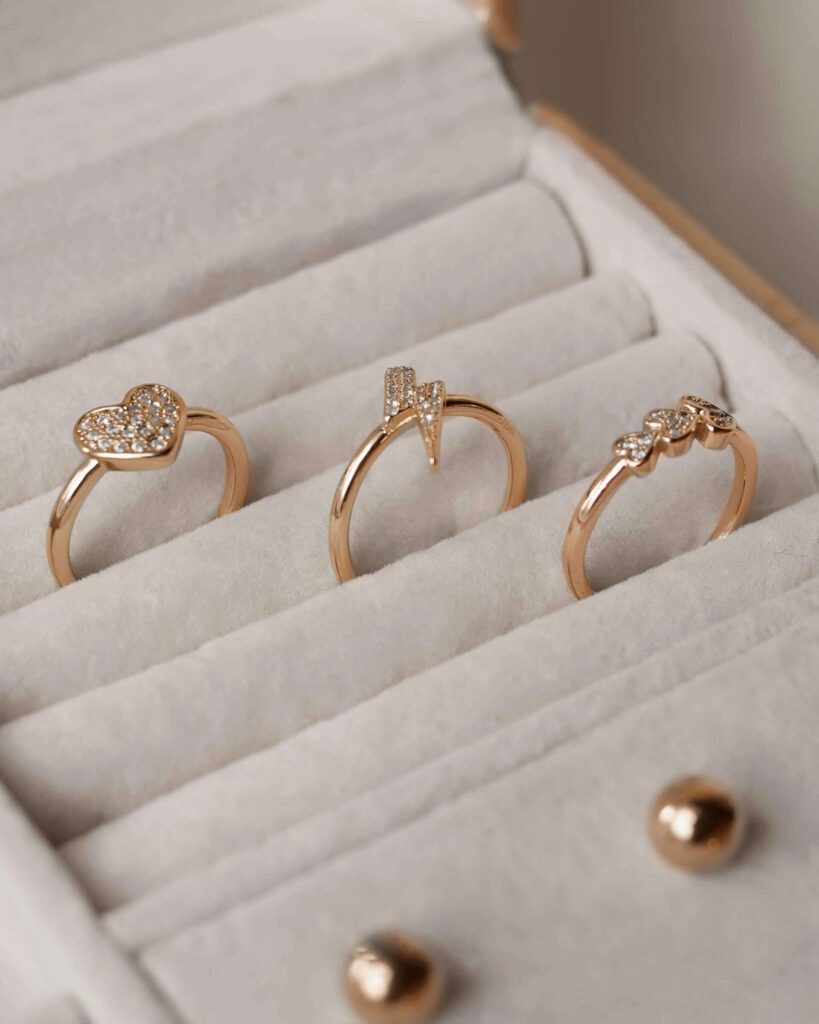
It’s easy to just sort through old jewellery and throw it out without a second thought, but you could be losing out if you do this. If you are thinking, “Can I sell my gold?”, then you’re in luck! Gold is one of those commodities that almost never loses value and almost always appreciates. Depending on the weight and quality, you could earn some extra cash with gold and silver jewellery such as chains, rings and earrings, even if it is a little bit to tide you over this month!
Magnet Test Your Unused Jewellery
A jewellery item that contains less than 10 karats of pure gold is considered fake and pretty much worthless. If you are unsure about whether your items are fake or genuine but don’t want the embarrassment of an appraisal, you can use magnets to test the quality of your jewellery:
- Precious metals such as gold, silver and platinum are not magnetic.
- If your jewellery sticks to a magnet, then it is probably a base metal such as steel.
- However, be sure to test the entire piece, as items such as clasps can be base metal.
Check Pieces for Hallmarks
One of the easiest ways to immediately identify the potential value of a piece is by checking the hallmark. You may need to carefully examine your pieces with a magnifying glass, but if the stamps are there, you will see them. Pieces such as rings, necklace clasps and earrings have specific hallmarks that indicate the quality of the metal used, such as gold and silver. These include “925” for silver, “375, 585, and 750” for 9,14, and 18 ct gold, and “PLAT” for platinum.
Check the Weight of Jewellery
Some people think that carats relate to the size of stones and metals, but it refers to the weight. And the higher the carat, or weight, the more valuable a piece can be. However, weight can also directly relate to the purity of metals like gold. All you need is a digital kitchen scale to get a good idea of the value of your jewellery based on the weight. This can be a good way to make money from broken pieces, where the value is in the melted value of the weight of the metals.
Your Unused Jewellery Might be Signed
Most people’s first foray into quality jewellery is when doing something life-changing, like picking an engagement ring for a loved one. However, if you have a keen eye, you might pick out the best pieces that are signed, which can be worth between 50% and 300% more than unsigned.
Higher brand authority
There are some jewellery houses that scream prestige and, as such, have higher value. These include designers such as Cartier, Bulgari and Tiffany, all of which have superior resale value.
Vintage vs. modern
Modern pieces are valuable, and if you have signed pieces from the modern era, you can expect good prices. However, pre-1950s pieces are considered classics and far more valuable.
Verification is key
It isn’t a requirement, but you won’t get the full value of a signed piece if it can’t be verified. This is because signatures are often faked or even misidentified, so get pieces verified ASAP.
Look for Unwearable Treasures
Just because your jewellery is broken, mismatched, or heaven forbid out of season, doesn’t mean it’s worthless. There are potentially tons of unwanted treasures with good value in your boxes. For example, you may have lost one earring from dozens of sets, but if the quality is good, they still hold potential high value based on the melt weight of the gold or silver. Many gold stores will pay a fair amount for any kind of quality metal you bring for them to check.
Cash-In on the Vintage Jewellery Trend
As mentioned, vintage pieces are worth a lot more than most modern pieces. Pre-1950s jewellery has always been of high value, but there is also a fashion trend driving the cost even higher. As such, you can cash in on the trend if you have some vintage pieces you are looking to sell. Items from Victorian, Edwardian and Art Deco eras are particularly collectable, and buyers will pay more for these premium and highly sought-after items with provenance.
Check How Your Unused Jewellery is Set
Most people enjoy wearing jewellery, but of course, it gets expensive. As such, costume jewellery is pretty popular. However, costume jewellery doesn’t have any resale value. Yet you can do a simple check to set aside costume jewellery from potentially valuable pieces:
- Carefully examine the setting of stones to see if they are set in a professional way.
- Quality pieces have their stones set using prongs instead of glue with costume pieces.
- Even small precious stones such as diamonds can have a significant resale value.
Jewellery Apps and Professional Appraisers
Okay, so you’ve gone through your stuff, and you think you have some pieces that are valuable. What now? You could make a trip to a store only to be disappointed. To ensure this doesn’t happen, you can use an online service such as ValueMyStuff jewellery valuations for a rough estimate of whether your stuff is actually valuable. Or, if there is an appraiser nearby, you can take it there for a more accurate and faster valuation if you are in need of some quick cash.
Summary
Even gold as scrap can be highly valuable, so your unused jewellery could be more lucrative than you think. If you have signed pieces from opulent brands, they can be worth serious money, and you can have them valued using online tools or local jewellery appraisers.