How to Stay Toasty Without Cranking Up the Heating
It’s that time of the year when it gets chillier, and as such, you might be reaching for your thermostat more often as a result.
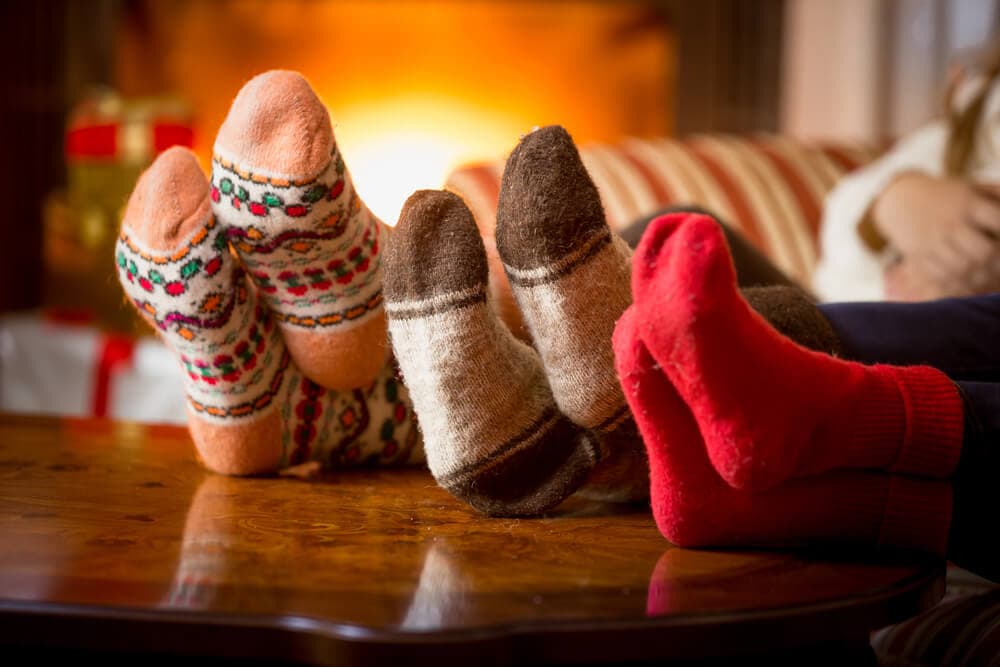
However, switching on the heating costs money, so if you’re looking to stay toasty without needing to crank up the heat, then there are definitely ways to do it successfully and feel comfortable in your own home.
Why layering is smarter than blasting the boiler
For heating a home or making sure to feel warmer in your home, layering is a lot better than blasting the boiler. It’s more flexible for you so that you can add and remove layers depending on how hot you get or how cold you are.
It’s a more efficient and cost-effective way to help manage the temperature of your body, rather than having to switch the heating on all the time.
At the same time, it’s good to have a modern boiler that can make use of smart thermostats so that it learns your behaviors and adjusts the heating to be more eco-efficient and affordable.
Thermal basics that actually work
Thermal basics should be a staple within your home, and are a good way of making sure to keep yourself nice and warm during those colder days and nights. Some thermal basic examples to invest in could be:
Covering your extremities
There are a number of extremities on your body where heat loss occurs. For example, significant heat loss can happen through your hands, head, and feet. So you will want to cover these with a hat, mittens, or socks, depending on where you find yourself getting colder most of the time.
Wool for base-layer insulation
Wool is a great way of keeping you insulated, even when wet. It’s also a natural odor-resistant material worth using. With HeatHolders thermal underwear, for example, it’s a good way of helping build that warmth from the base upwards.
Fleece for mid-layer insulation
For helping trap your body heat so that you’ve got a warm pocket of air around you, it’s good to go for materials that will help to keep you nice and toasty. Such materials include wool, down, or fleece. A lightweight fleece is helpful for milder weather, and a thicker fleece once the cooler conditions roll around.
Gore-Tex for outer layer insulation
This is the protection that you need to shield you from the elements, like rain, snow, or wind. A recommended material like Gore-Tex is great for windproof and waterproof options.
Little lifestyle tweaks that make a big difference
The little lifestyle tweaks often make a sizeable difference to how warm and toasty you feel in the home. With that being said, invest in the clothing, but also invest in the home decor that will help you to feel warmer, too.
Consider luxurious throws and fluffy cushions as a way of adding some extra warmth to the space. The same goes for rugs and other soft furnishings. These tips for your home’s decor and for yourself can all make a difference in keeping you warm at night.