How To Have A Healthy Bedroom
On average, most people spent around one-third of their lifetimes sleeping, so the room that all that time sleeping in really matters. Your bedroom is the first place you see when you wake up in the morning and the last place you see before you fall asleep at night. You could argue that your bedroom is the best most important room in the house because of this, so it should be a room that you find comforting and peaceful. If you’re prioritizing your health this year, don’t overlook your bedroom. Here’s how to make it a healthier place to be.
Get Rid Of The TV
Watching television before you go to sleep stimulates your brain and can make it harder to fall asleep and get the restful sleep that you need. Instead, try to keep your bedroom purely for sleep. This will make your room feel like a safe, relaxing place to retire to after you’ve finished watching your shows or a movie in the living room. Some people feel as though they need a TV to help them fall asleep. If this is you, try switching off the TV thirty minutes to an hour before you fall asleep instead of right before you close your eyes, and see if this helps you to get proper and better quality sleep.
Have Access To Natural Light
Light makes a big difference to your mood, so allow in some kind of natural light into the room during the day or after you wake up in the morning. You could try some light-filtering curtains to make the room feel serene and airy. A dark, closed-in room can feel depressing, so make sure your bedroom is a space that you want to spend in time, not somewhere you only go because you need to.
Remove Unnecessary Clutter
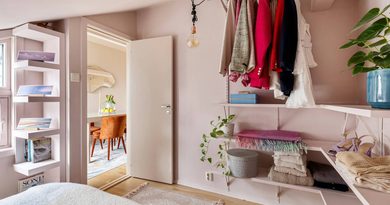
The bed can be left unmade, and the clothes can pile up, but you should try to avoid items from other rooms finding their way into your bedroom. You want your bedroom to feel calm and inviting, not to remind you of other chores you need to get done.
Don’t Eat In Bed
Unless you’re unwell, keep food out of the bedroom. Clean sheets and bedding make your bedroom more inviting when it’s time to go to bed. Save your meals for the kitchen or the living room instead.
Don’t Work In Bed
Your bedroom should be a safe space for you to retire to that is restful and peaceful. This can be hard when you work from home, but you should try to keep your bedroom as a retreat to. It shouldn’t be somewhere that where you handle your work phone calls or emails. Sometimes this is unavoidable, but if you can, take your work somewhere else in the house. If you have to have your desk in your bedroom, don’t sit in bed to work.
Have Decor That Makes You Happy
This could be a great piece of art or some family pictures. Whatever it is, fill the room with pieces that make you smile. Your bedroom should give you good feelings and be a room in the house that is just for you.
Keep It Clean
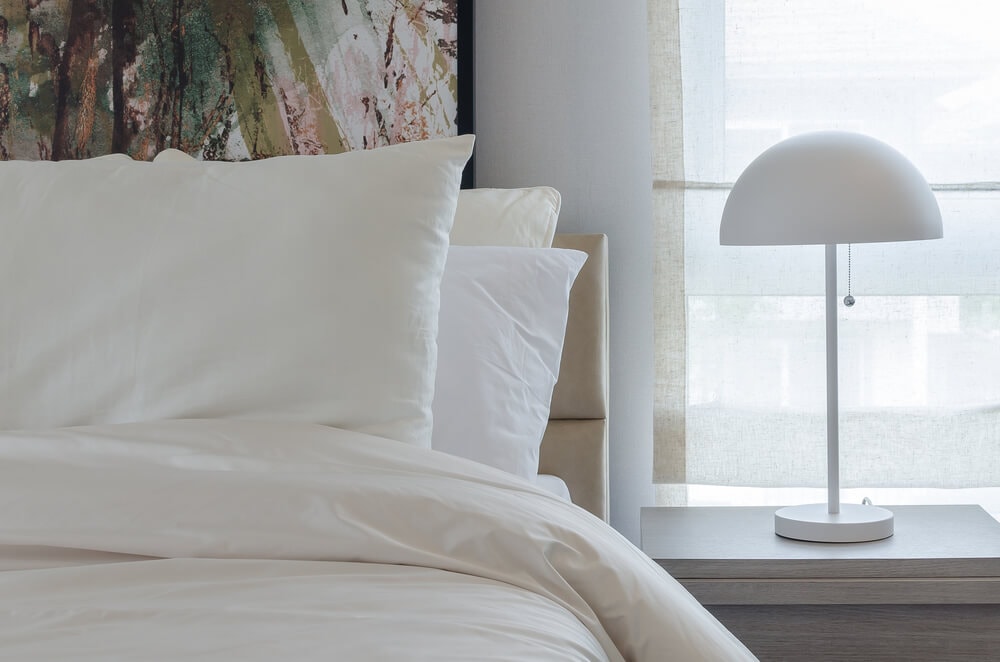
Spend some time wiping down all your surfaces and vacuuming the bedroom. If you can, use natural cleaners to avoid bringing toxic chemicals into your bedroom. A clean bedroom is a much more relaxing, healthy space. Buy quality bedding from somewhere like Richard Haworth, and keep it clean. Not only is this relaxing, but it’s better for your allergies too.
Buy A Supportive Pillow
Another important part of getting a better night’s sleep is a supportive pillow. A lot of sleep experts say that a good quality pillow is just as important as the mattress that you sleep on.
Whether you choose foam, bamboo, wool, tempur, or latex, there’s a lot of choice for finding the right pillow. What matters is finding a pillow that properly supports your head and neck, and that feels comfortable to you. You also want your pillow to have a hypoallergenic cover, especially if you are someone that struggles with allergies.
Indoor Plants
Indoor plants are a great way to make any room healthier. They add life to your rooms, improve the air quality, and have all kinds of other benefits too, such as lowering your heart rate and improving your mood. If you don’t have much of a green thumb, you can find some hard-to-kill options.
*This is a collaborative post