The Rise of AI Girlfriend Apps: How Virtual Companions Are Changing the Way We Connect
AI girlfriend apps have moved from novelty to mainstream, reshaping how people experience companionship in the digital age. These platforms use artificial intelligence to simulate conversation, emotional support, and even intimacy, offering an alternative to traditional social interaction. They are changing the way people connect by providing on-demand companionship that feels personal, adaptable, and always available.
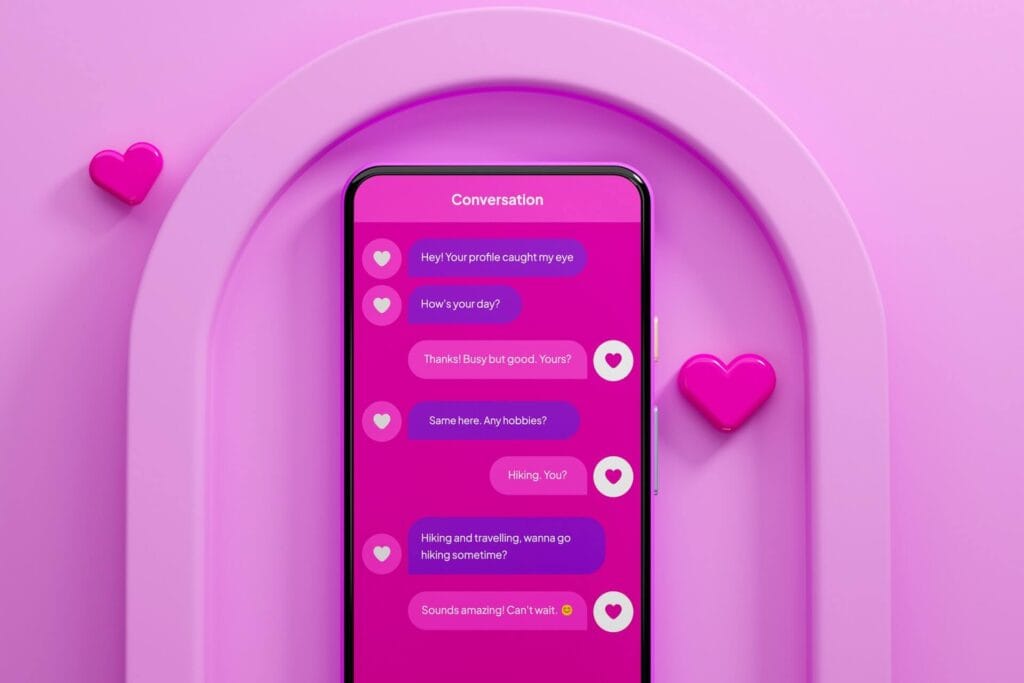
For many, the appeal lies in the ability to create a virtual partner that responds without judgment, remembers past interactions, and adapts to individual preferences. This level of personalization makes the experience feel more natural than older chatbot technology. As a result, AI companions are no longer seen as simple entertainment but as a new form of digital relationship.
The rise of these apps raises important questions about how people define connection and intimacy in a world where technology plays a larger role in daily life. They may not replace human relationships, but they are influencing how individuals explore emotions, manage loneliness, and form bonds in new ways.
How AI Girlfriend Apps Are Transforming Digital Companionship
AI girlfriend apps create new forms of connection by blending artificial intelligence with personal interaction. They give users a way to talk, share feelings, and build a sense of companionship through digital platforms.
What Are AI Girlfriend Apps and How Do They Work
AI girlfriend apps are designed to simulate conversations and relationships through artificial intelligence. They allow users to chat with virtual partners who respond in natural ways. These apps often adapt to the user’s style, making interactions feel more personal over time.
People use them for many reasons. Some seek emotional support, while others want casual conversation or a sense of companionship. Unlike traditional chatbots, these apps focus on creating an ongoing relationship rather than short exchanges.
The apps usually provide different modes, such as friendly chat, roleplay, or even romantic dialogue. Users can customize personality traits, appearance, and communication style to match their preferences. This flexibility makes the experience feel more tailored and engaging.
Technologies Behind Virtual Companions
The main technology behind these apps is natural language processing, which allows the system to understand and generate human-like responses. Machine learning helps the apps adjust to individual users by analyzing past conversations and predicting future responses.
Some platforms also use voice synthesis and image generation. This adds another layer of realism by allowing users to hear a voice or see a digital avatar that matches the character they create.
Developers continue to refine these systems to make interactions smoother and less repetitive. As a result, conversations feel less scripted and more authentic. This steady progress has made AI girlfriend apps more appealing to people who want a consistent digital companion.
Popular AI Girlfriend Platforms and Features
Several platforms now compete in this space, each offering unique features. Some focus on text-based chat, while others include voice calls, video avatars, or even augmented reality elements.
Common features include daily check-ins, memory systems that recall past conversations, and customizable personalities. These functions help create the impression of a growing relationship rather than a static program.
Users often compare platforms based on realism, customization, and emotional depth. Guides that review the best AI girlfriend apps highlight how different options meet these expectations. This variety allows people to choose the type of digital companionship that best fits their needs.
The Impact of Virtual Companions on Emotional Connection and Relationships
AI companions now play a role in how people deal with loneliness, build emotional support systems, and explore new forms of digital interaction. They influence how individuals connect with others, both virtually and in real life, while also raising questions about long-term effects on human relationships.
Emotional Support and Companionship in the Digital Age
AI companions provide a sense of presence that can ease feelings of isolation. Many users turn to these virtual companions for comfort because they are always available and free from judgment. This constant access creates a space where individuals feel safe to share personal thoughts without fear of rejection.
The appeal lies in the predictability of interactions. Unlike human relationships, AI companionship avoids conflict and adapts to user preferences. For individuals with anxiety or difficulty forming connections, this digital support can reduce stress and offer emotional stability.
However, the connection remains simulated. AI does not experience real emotions, which means the bond is based on programmed responses rather than genuine empathy. While users may feel understood, the interaction lacks true reciprocity. This difference shapes how meaningful the relationship can be in the long run.
Virtual Relationships and Social Interactions
Virtual relationships often act as substitutes or supplements to human contact. People may use AI companions as practice grounds for conversation, self-expression, or even romantic exploration. This can help build confidence that later transfers into face-to-face interactions.
At the same time, the convenience of digital interaction can reduce motivation to pursue human relationships. Some individuals may prefer the simplicity of AI companionship over the unpredictability of real people. This shift influences how society defines friendship, intimacy, and emotional connection.
Social interactions also extend into augmented reality and virtual platforms. AI avatars can create immersive experiences that mimic real presence. These environments blur the line between digital and physical relationships, making it harder to separate artificial connections from human connections.
Challenges, Limitations, and the Future of AI Companionship
Despite benefits, AI companionship faces clear limitations. The absence of genuine emotions restricts the depth of connection. Over-reliance on AI may increase social isolation if individuals withdraw from human contact. Ethical concerns also arise, as attachment to entities without consciousness changes how people view love and empathy.
The future of relationships may involve a mix of human and AI companionship. Some may use virtual partners for emotional support while maintaining traditional connections. Others may see AI as a replacement, which could reshape dating, marriage, and family structures.
Developers continue to refine digital companions with memory, personality traits, and adaptive responses. However, the challenge remains to balance technological progress with the human need for authentic connection. Society will need to decide how much space AI should take in personal relationships.
Conclusion
AI girlfriend apps show how technology can reshape companionship by offering personalized interaction and emotional support. They allow users to create characters that reflect their preferences, making the experience feel unique and consistent.
These tools appeal to people seeking comfort, practice in social interaction, or a safe space without judgment. However, they cannot fully replace the depth and unpredictability found in human relationships.
As a result, AI companions work best as a supplement rather than a substitute. They highlight both the opportunities and the limits of digital connection in today’s world.